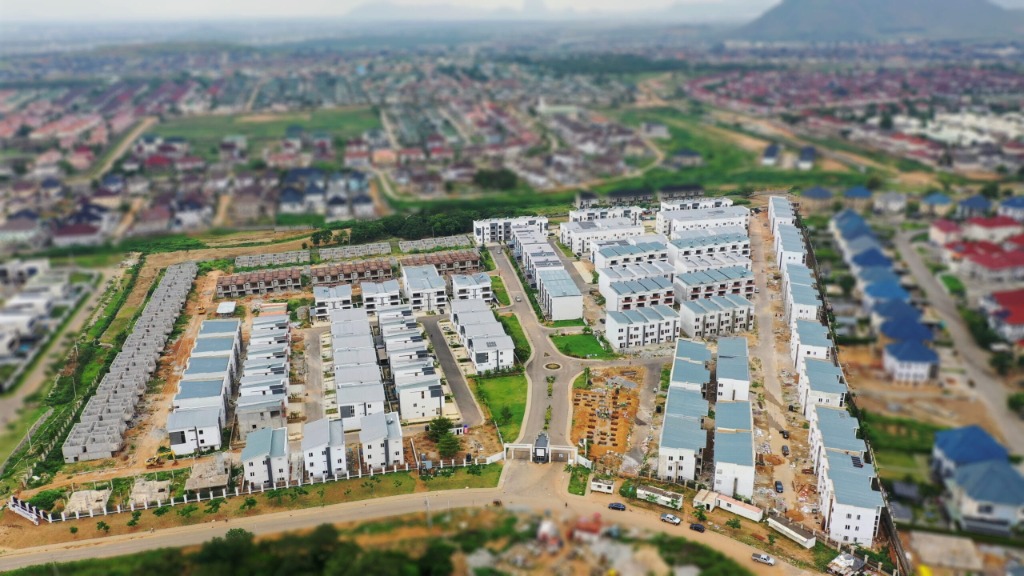
Buying land in Abuja is more than just a transaction; it's an entry into one of Africa's most lucrative real estate markets. But for the unprepared, it can be a minefield of legal complexities and hidden risks.
If you are reading this, you likely already know that Abuja is the place to be. As Nigeria's capital and one of the fastest-growing cities in Africa, the Federal Capital Territory (FCT) offers stability, security, and appreciation rates that few other locations can match. Whether you are a diaspora investor looking to park funds in a hard asset, a retiree planning your dream home, or a savvy investor seeking 30% annual returns, the Abuja land market has something for you.
However, the path to ownership is rarely a straight line. I have spent the last 10 years navigating the corridors of the Abuja Geographic Information Systems (AGIS), inspecting swampy plots disguised as "dry land," and helping hundreds of clients secure genuine titles. I have seen the joy of a successful allocation and the heartbreak of a demolition notice.
In this comprehensive guide, I will walk you through exactly how to buy land in Abuja the right way. We will bypass the noise, ignore the "agent talk," and focus on the facts, the law, and the market realities of 2026. By the end of this article, you will have a clear roadmap to securing your piece of the capital with zero stress.

1. Understanding the Abuja Land Market Structure
To buy land successfully, you must first understand who owns the land. Unlike other states in Nigeria where land can be owned by families or communities (customary owners), all land in the FCT is vested in the Federal Government.
This is a critical distinction. There are no "Omoniles" (land grabbers) in the city center. The Minister of the FCT acts on behalf of the President to administer land. This centralized system makes verification easier but also means you must follow strict bureaucratic processes.
The Three Tiers of Land
- FCC (Federal Capital City): These are the developed phases (Phase 1-4) like Maitama, Wuse, Gwarinpa, and Guzape. Land here is expensive, fully documented, and usually comes with a Certificate of Occupancy (C of O).
- Area Councils: These are the satellite towns like Kuje, Bwari, and Gwagwalada. Land here is cheaper and administered by the local Area Council. While valid, the documentation process differs from the FCC.
- Mass Housing Schemes: These are large parcels of land allocated to developers to build estates. You buy a plot within the estate. This is the most common route for middle-class investors today because it comes with infrastructure.
2. The Legal Framework: C of O vs. R of O
The most common question I get is: "Should I buy R of O or C of O?" The answer depends on your budget and timeline, but you must know the difference.
Right of Occupancy (R of O): This is an offer letter from the government. It grants you the right to live on and develop the land. It is a valid, legal title. Most lands in developing districts like Idu and Lugbe start as R of O.
Certificate of Occupancy (C of O): This is the superior title. It is issued after you have paid all land charges, surveyed the land, and developed it (or at least fenced it). A C of O is "bankable," meaning you can use it easily as collateral for a loan.
Expert Tip: Don't be afraid of R of O titles. They are perfectly safe as long as you verify them at AGIS. In fact, buying an R of O land and processing the C of O yourself is a smart way to force appreciation on your property value. Read our detailed C of O vs R of O comparison here →
3. Step-by-Step Guide to Buying Land in Abuja
Follow this exact process to ensure a safe transaction. Do not skip any steps.
Step 1: Define Your Purpose and Budget
Are you buying to build immediately, to land bank (hold for resale), or for commercial use?
Residential: Look for quiet, secure districts like Guzape, Wuye, or Katampe.
Commercial: You need high traffic. Wuse 2, Garki, and specific corridors in Idu are best.
Banking: Buy cheap in the path of development (e.g., Karsana, Airport Road) and wait.
Step 2: Site Inspection (The "Eye Test")
Never buy land you haven't seen. If you are abroad, send a trusted family member or an independent surveyor.
Check for:
- Topography: Is the land flat or on a rocky hill? Building on a slope can cost 50% more.
- Water: Is the area swampy? Visit during the rainy season if possible.
- Access: Is there a motorable road?
- Encumbrances: Are there squatters, mechanics, or farmers on the land? They can be
difficult to remove.
Step 3: Legal Verification (The "Acid Test")
This is the most important step. Take a copy of the title document to AGIS (Abuja Geographic Information Systems) for a legal search.
The search will confirm:
1. The name of the true owner.
2. If the land has any court cases or injunctions.
3. The specific land use (you cannot build a hotel on residential land).
4. If the land is under government acquisition (slated for a future road or hospital).
For a deep dive on this process, check out our guide on How to Verify Land Titles in Abuja.
Step 4: Negotiation and Payment
Once verified, make an offer. In Abuja, everything is negotiable. Aim for 5-10% off the asking price.
CRITICAL: Never pay cash. Always pay via bank transfer to the owner's account or the
developer's corporate account. The bank alert is your first receipt.
Step 5: Documentation and Perfection
After payment, you will sign a Deed of Assignment and Power of Attorney. You must then register these documents at AGIS to legally transfer the title to your name. This process is called "Governor's Consent."
4. Top Locations to Buy Land in 2026 (With Verified Listings)
Where should you put your money this year? Based on infrastructure projects and market trends, here are my top picks, along with some verified listings from A.I Realent that you can inspect today.
1. Lugbe (Airport Road)
The gateway to the city. Despite traffic, the sheer volume of commerce and the expansion of the airport road make it a perennial winner for rental income.

2. Scadens (Near Apo)
A rapidly developing district perfect for commercial residential projects like blocks of flats.

More Verified Investment Options


5. Estate Plots vs. Government Allocations
Should you buy a government allocation (a raw plot) or buy into a private estate?
Government Allocation:
+ You have total freedom on design.
+ Cheaper per square meter initially.
- You must provide your own infrastructure (borehole, transformer) if the district isn't developed.
- Higher risk of revocation if not developed quickly.
Private Estate Plot:
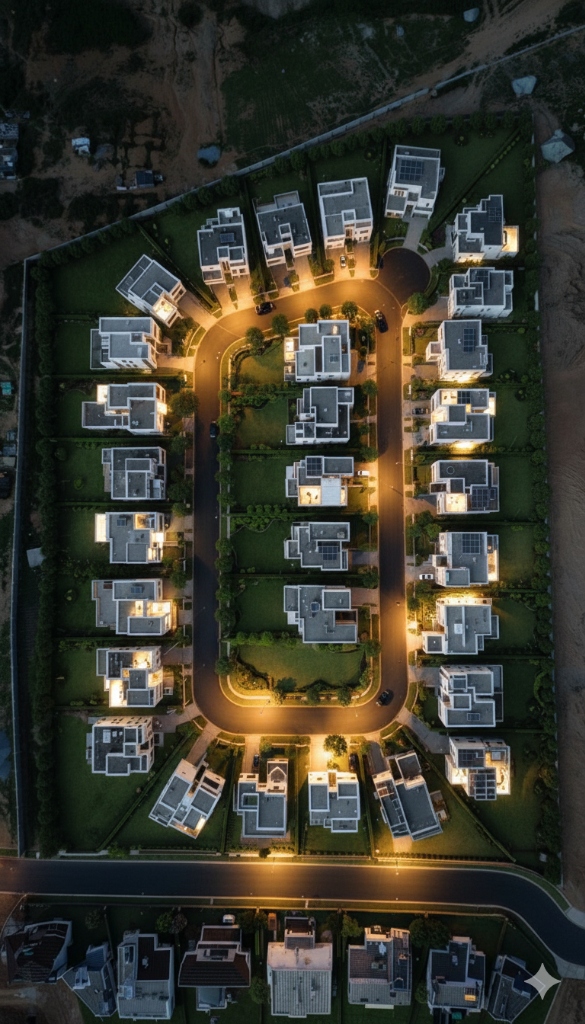
+ Infrastructure is provided (tarred roads, central water, security).
+ Community living and higher security.
+ Easier payment plans (installments).
- You must adhere to the estate's building prototype.
- Service charges apply.

6. Avoiding Scams: The Red Flags
To keep your money safe, watch out for these warning signs:
- "The file is at the Minister's office": This is a lie used to prevent you from searching the file. If you can't search it, don't buy it.
- "Emergency Sale": Scammers use urgency to make you skip due diligence. Real estate takes time.
- No Physical Meeting: If the "owner" can never meet you or your lawyer, be suspicious.
- Unbelievably Cheap: If a plot in Maitama is selling for N50 million, it's a scam. Know the market value.
Conclusion
Buying land in Abuja is a journey that requires patience, diligence, and the right guidance. The rewards—financial security, passive income, and a tangible legacy—are well worth the effort. By following the legal verification process and choosing the right location, you can secure an asset that will serve you for generations.
Don't navigate this market alone. Whether you are looking for a luxury plot in Guzape or an affordable investment in Lugbe, you need a partner who understands the terrain.
Ready to Secure Your Plot in Abuja?
Browse our verified listings of genuine land with C of O and R of O titles. We have done the preliminary vetting so you can invest with confidence.
View Verified Land ListingsFrequently Asked Questions (FAQs)
Can a foreigner buy land in Abuja?
Yes, foreigners can own land in Nigeria. However, the process usually involves registering a Nigerian company (via the CAC) to hold the land title, as this simplifies documentation and future transfer.
How much is the cheapest land in Abuja?
You can find genuine land in developing suburbs like Kuje or Kwali for as low as ₦2 million to ₦5 million. In closer districts like Lugbe or Idu, prices for a standard plot typically start from ₦8 million to ₦15 million depending on the title and infrastructure.
What is the "Recertification" of land titles?
Recertification is a government policy requiring old land titles (issued before the digital era) to be updated into the new AGIS digital database. If you are buying an old title, ensure the owner has completed the recertification process and has the new digital C of O.
About the Author
The editorial team at LandForSaleInAbuja.ng is dedicated to providing accurate, up-to-date information on the FCT real estate market. We help you navigate property verification and investment with confidence.
Contact UsRelated Articles

Top 15 Best Real Estate Companies in Abuja 2025 (Expert Ranking)
Looking for a reliable real estate partner in Abuja? Our expert ranking of the top 15 companies includes A.I Realent, Brains & Hammers, Urban Shelter, and more. Find verified agents today.
C of O vs R of O: What Every Buyer Must Know
Confused by land titles in Abuja? Discover the critical differences between Certificate of Occupancy (C of O) and Right of Occupancy (R of O) and which one is right for your investment.
How to Verify Land Title in Abuja: A Complete Guide (2025)
Don't get scammed. Learn the step-by-step process to verify land titles in Abuja, from AGIS search to physical inspection. Essential guide for 2025 investors.